45 understanding fat on nutrition labels
Understanding Nutritional Labels - Beaumont Health Here are the parts of most food labels: Calories (total calories and calories from fat) - This part of the label tells you how many calories each serving has and how many of those calories come from fat. Total Fat - Total fat is the number of fat grams per serving. There are different types of fat. Some are good for you and some aren't. Understanding and Using the Nutrition Facts Label fat-free or 1% low-fat dairy products, eggs, lean meats packaged foods, snacks, and condiments. Limit baked and poultry, seafood, soy products, nuts, and seeds.
Food Labels | CDC Understanding the Nutrition Facts label on food items can help you make healthier choices. The label breaks down the amount of calories, carbs, fat, fiber, protein, and vitamins per serving of the food, making it easier to compare the nutrition of similar products. Be sure to look at different brands of the same foods—nutrition information ...
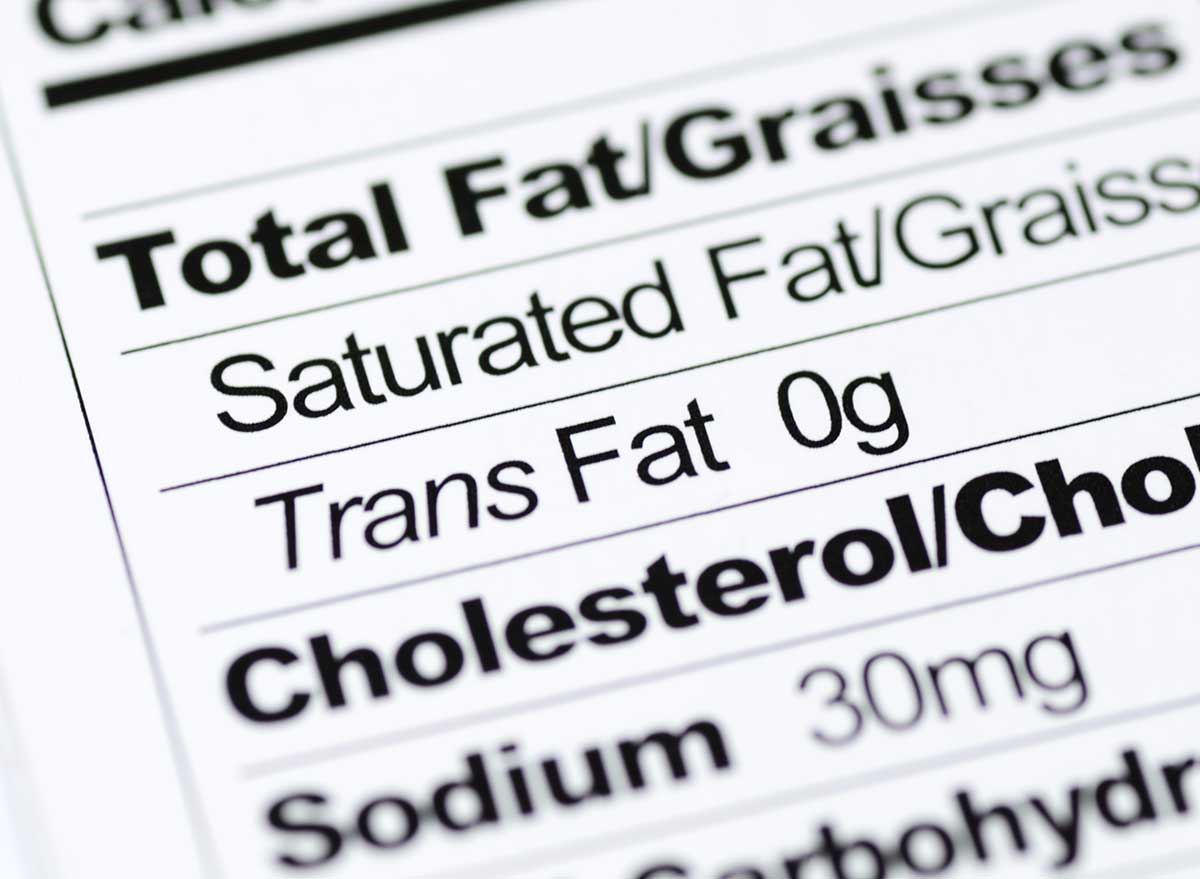
Understanding fat on nutrition labels
20 Tips for Understanding Nutrition Labels | Eat This Not That Macronutrients include fat, carbs (which also breaks down into fiber and sugar), and protein. If anything stands out to you—like the product having 17 grams of fat or 25 grams of sugar—use those numbers to help you skim the ingredient list. For example, a cereal that has 6 grams of fat in it is odd. Food labels - NHS Nutrition labels are often displayed as a panel or grid on the back or side of packaging. This type of label includes information on energy (kJ/kcal), fat, saturates (saturated fat), carbohydrate, sugars, protein and salt. It may also provide additional information on certain nutrients, such as fibre. Understanding Food Nutrition Labels | American Stroke Association Remember that the information shown in the label is based on a diet of 2,000 calories a day. You may need less or more than 2,000 calories depending upon your age, gender, activity level, and whether you're trying to lose, gain or maintain your weight. When the Nutrition Facts label says a food contains "0 g" of trans fat, but includes ...
Understanding fat on nutrition labels. Understanding the Nutrition Facts Label - Know Diabetes by Heart Fats Although fat can also contribute to changes in your blood sugar, they have less influence than carbs. However, it is important to reduce amount of saturated and trans fats as a part of a balanced diet. Replacing foods that are high in saturated fat with healthier options can lower blood cholesterol levels and improve lipid profiles. Sodium How to read nutrition labels | safefood Nutrition information can be found on the back/side of food labels. Sometimes you will also find a snapshot of this information on the front of pack. Nutrition information is displayed per 100g and sometimes per recommended serving. Use the per 100g column to compare products. Look at the recommended portion size. Understanding Nutrition Labels - LabelCalc Using Online Nutrition Analysis Software to Create Your Nutrition Label While it is certainly important to understand nutrition labels, it's not worth stressing over every little detail. With FDA-compliant online nutrition analysis software, you really only need to enter your recipe using the software's database and serving size , then the ... Food Labels: Fat & Cholesterol | Home & Garden Information Center The Nutrition Facts label shows you how much fat is in a product, even if the fat is hidden as an ingredient. The serving size and the nutrients listed on this label are consistent, which makes it easy to compare similar products without any calculations. % Daily Values (% DVs) are listed in a column on the "Nutrition Facts" label.
Food labels 101: Understanding the nutrition facts panel The guideline is that five percent or less is low in a nutrient and 20 percent or more is high. For example, if a nutrition facts panel says that the %DV for calcium is 20 percent and iron is four percent, then you know that the food item is high in calcium but low in iron. Note: There is no %DV for sugars, trans fat and protein. Get the Facts! Steps to Reading and Understanding Nutrition Facts Labels Steps to Reading and Understanding Nutrition Facts Labels (FN1404, Reviewed Feb. 2022) File. Publication File: FN1404. ... Eating too much saturated fat and/or trans fat, for example, may increase your risk of heart disease. Carbohydrates. Check the amounts of dietary fiber, vitamin D, calcium, iron and potassium. How to Read Nutrition Facts Labels the Right Way - GoodRx Nutrition Facts labels are required to list the total fat, saturated fat, and trans fats on packaged food products. It's important to choose foods with the right kinds of fats. Here are the differences between the fats you'll see on the label. Bad fats Saturated and trans fats are the less healthy types of fats. Interpreting Total Fat and Types of Fat on Food Labels - Nina Cherie ... Now, at the end of the day, since all high-fat foods tend to drive up calorie counts, it's typically recommended that you limit your intake of total fat to 25-35% of your daily calories. Of this amount, saturated fats and trans fats should comprise less than 7-10% and no more than 1%, respectively.
Fat Content on Food Labels - Reading Between the Lines The Mayo Foundation continued, "Still, you may be able to tell if a product contains trans fat, even if it's not directly listed on the food label. Look for the words ' hydrogenated ' or 'partially hydrogenated' in the list of ingredients. These terms indicate that the product contains trans fat. How to Read Nutrition Facts Label - Food Network If you're eating 1600 calories, that equals about 17 grams of saturated fat per day. If you want to go with the American Heart Association's recommendations, that number will be 8.8 grams for the... Tips for understanding the Nutrition Facts Labels Limit fats in your diet to 5%-20% DV for individual food items Aim to have 100% of the % DV of fiber, vitamins, and minerals in your diet—checking labels for the % DV in individual foods can help you achieve that goal Read the label before you eat the food The bottom line The following chart of Percent Daily Values is based on a 2,000-calorie diet. How to read food labels: MedlinePlus Medical Encyclopedia
7 Hidden Messages In Packaged Food Labels - Eat This Not That
Understanding Food Nutrition Labels | American Heart Association When the Nutrition Facts label says a food contains "0 g" of trans fat, but includes "partially hydrogenated oil" in the ingredient list, it means the food contains some trans fat, but less than 0.5 grams per serving. So, if you eat more than one serving, you could end up eating too much trans fat.
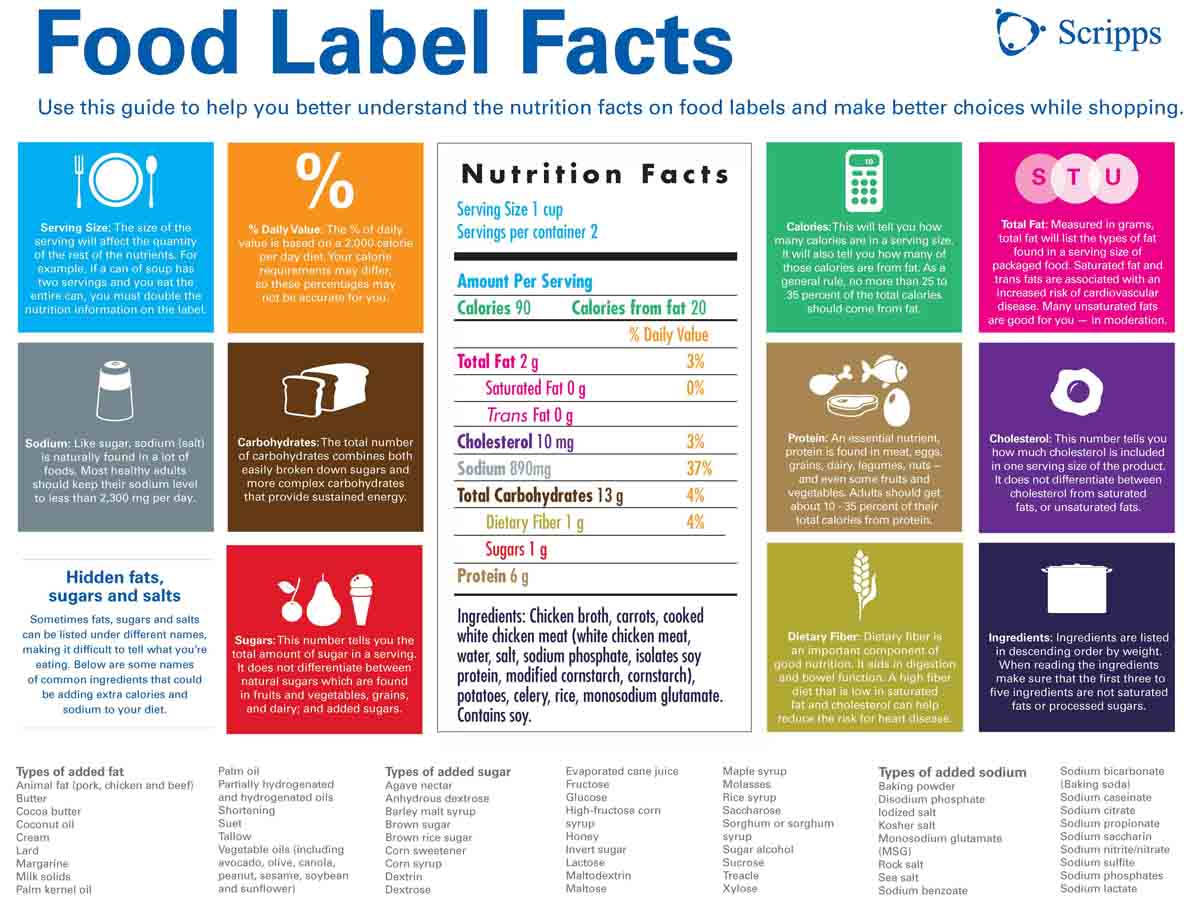
Decoding Nutrition Labels - Scripps Health - San Diego
Understanding Food Nutrition Labels | Sanford Fit Nutritional Information When looking at fat, carbohydrates, sodium, added sugar, and vitamins, the percent Daily Value (%DV) is a good guide. The percent Daily Value (%DV) will show how much of a nutrient is in a serving of food and contributes to a total daily diet. A general guide: 5% DV or less of a nutrient per serving is considered low.
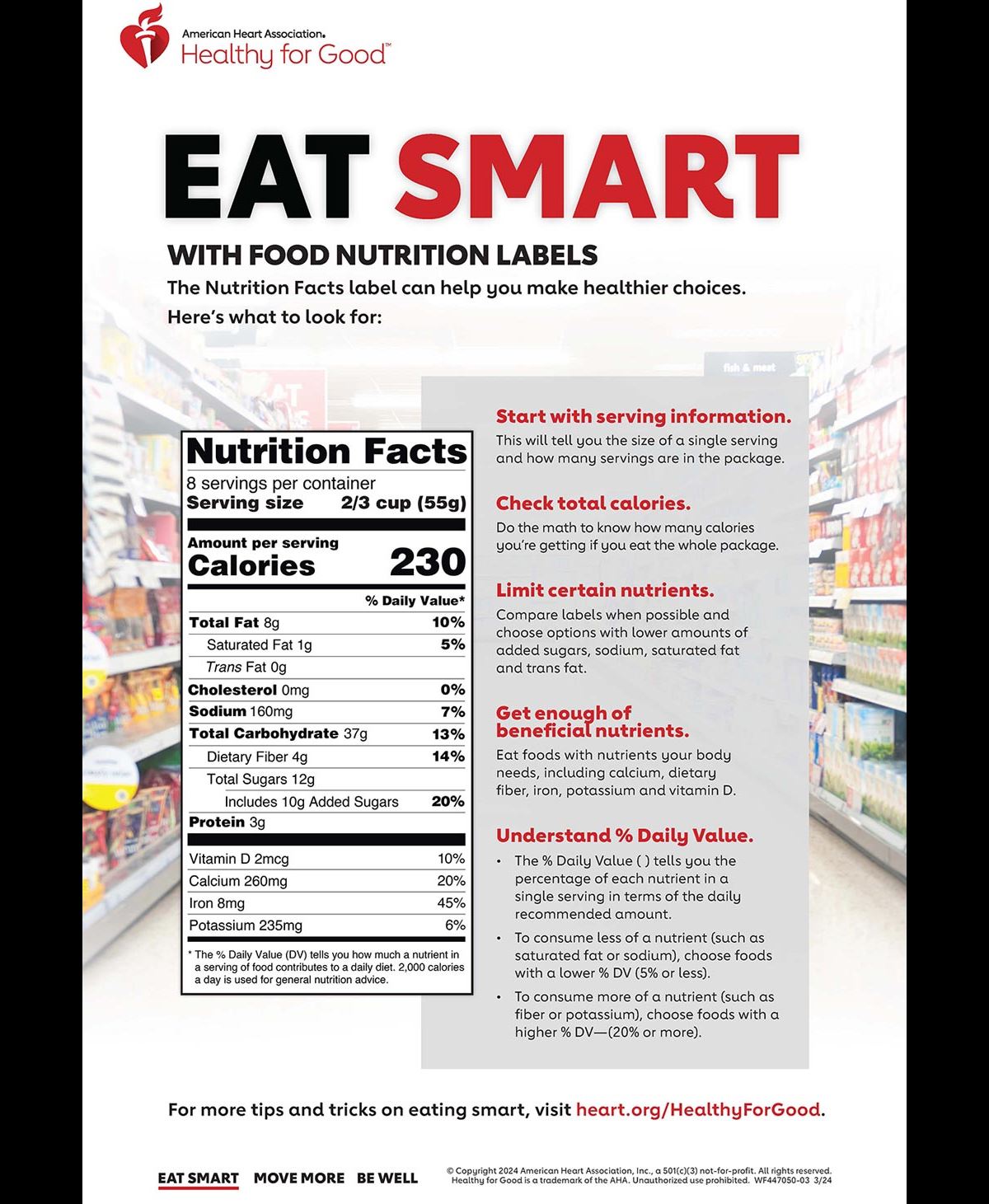
Understanding Food Nutrition Labels | American Heart Association
Understanding Nutrition Fact Labels | Penn Highlands Healthcare The nutrients you want more of include: dietary fiber, vitamin D, calcium, iron, and potassium. Unlike saturated fat, sodium, and sugar, Americans generally do not consume enough of these nutrients. Fiber can decrease constipation, lower blood glucose levels and cholesterol levels, while also reducing your caloric intake.
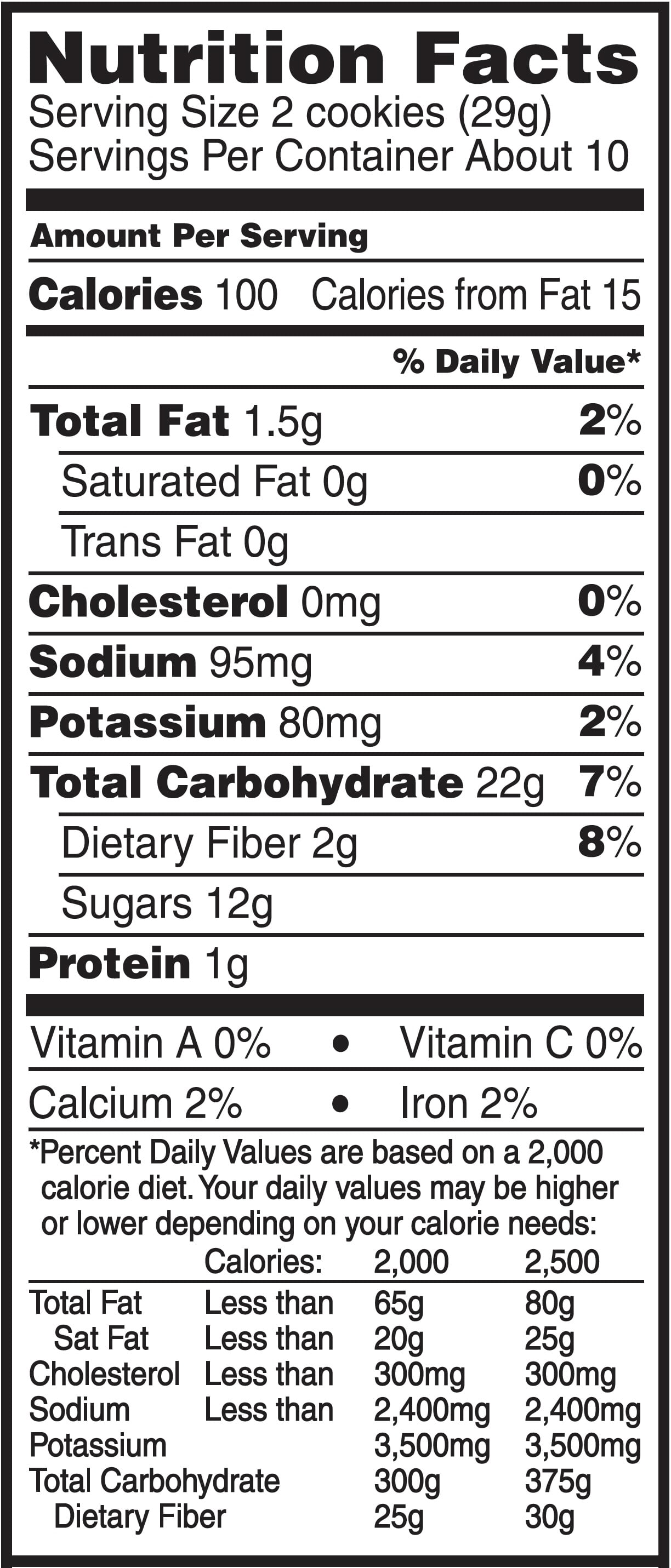
32 Fig Newton Nutrition Label - Labels For Your Ideas
How to understand food nutrition labels | by Alpha Medical Team | Alpha ... The FDA recommends limiting saturated fat, sodium, and added sugars. On the other hand, it's good to get foods that are high in fiber, vitamin D, calcium, iron, and potassium, as these are some...

Nutritional Label Centered On No Fat Content Stock Photo 6527758 : Shutterstock
A Complete Guide to Reading and Understanding Nutrition & Ingredient Labels Knowledge is Power. At the end of the day, having more knowledge about the foods you consume gives you more power to control your health. When buying foods, read the label, do a little inner translating, and ignore the health claims on the front. Health claims such as "diet," "natural," or "low-fat," may still be present on products ...
:max_bytes(150000):strip_icc()/Untitled-design-2--57535bc15f9b5892e8c65c9c.jpg)
How to Read Nutrition Labels Correctly
How to Read Food Labels for Fats and Oils A Note on Ingredient Lists. Fats and oils can come from many sources, like animal fats, fish, seeds, plants, and nuts. Reading the ingredient lists on products will reveal the source of the fat. For oils and fats ingredient lists, fats and oils are referred to by their common names (e.g., "beef fat," "cottonseed oil").
Krames Online - Understanding Fat and Cholesterol
Reading and understanding the Nutrition Facts Label for health It is important to direct your attention to the top nutrient section that includes fat, saturated fat, trans fat, cholesterol, sodium and added sugars. These nutrients should be limited. Aim for eating products that have 0 percent trans fat and less than 5 percent saturated fats. Generally 5 percent or less is low and 20 percent or more is high.
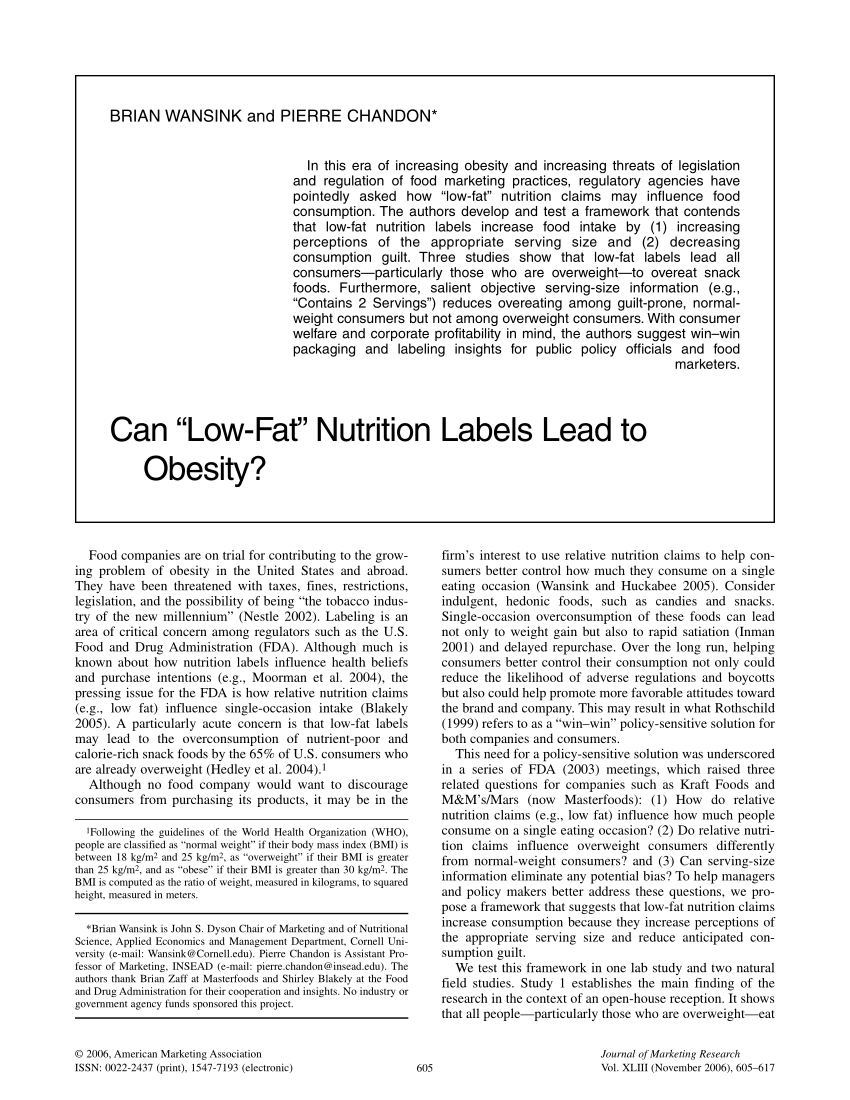
(PDF) Can 'Low-Fat' Nutrition Labels Lead to Obesity?
Understanding Food Labels | The Nutrition Source | Harvard T.H. Chan ... For example, a bag of potato chips may advertise that it has 40% less fat and is cholesterol-free, suggesting it is a "healthy" food, when in reality even a "healthier" potato chip is still a high-calorie ultra-processed food offering little nutrition. Some terms are not yet regulated by the FDA such as " natural " or "multigrain."

Pin by Ed Hunter on Health | Nutrition facts label, Nutrition labels, Nutrition facts
Understanding and Using the Nutrition Facts Label saturated fat, added sugars, and/or sodium (such as cakes, chips, cookies, and crackers). Dairy Substitute fat-free (skim) or low-fat (1%) dairy products (such as cheese, milk, and yogurt), or fortiied soy beverages for regular/full-fat (whole) dairy products. Limit dairy desserts, especially those high in calories, saturated fat, and added sugars

Mizzou Nutrition Mythbusters: September 2010
PDF Understanding the Nutrition Facts Label The nutrition facts label has three main parts: 1. Energy Components 2. Heart Health Components and 3. Micronutrients Here is a map to help you determine how to interpret the nutrition facts label Nutrition Facts Serving Size: ½ c (127g) Servings per container: 4 Amount Per Serving *Percent Daily Values are based on a 2,000 calorie diet
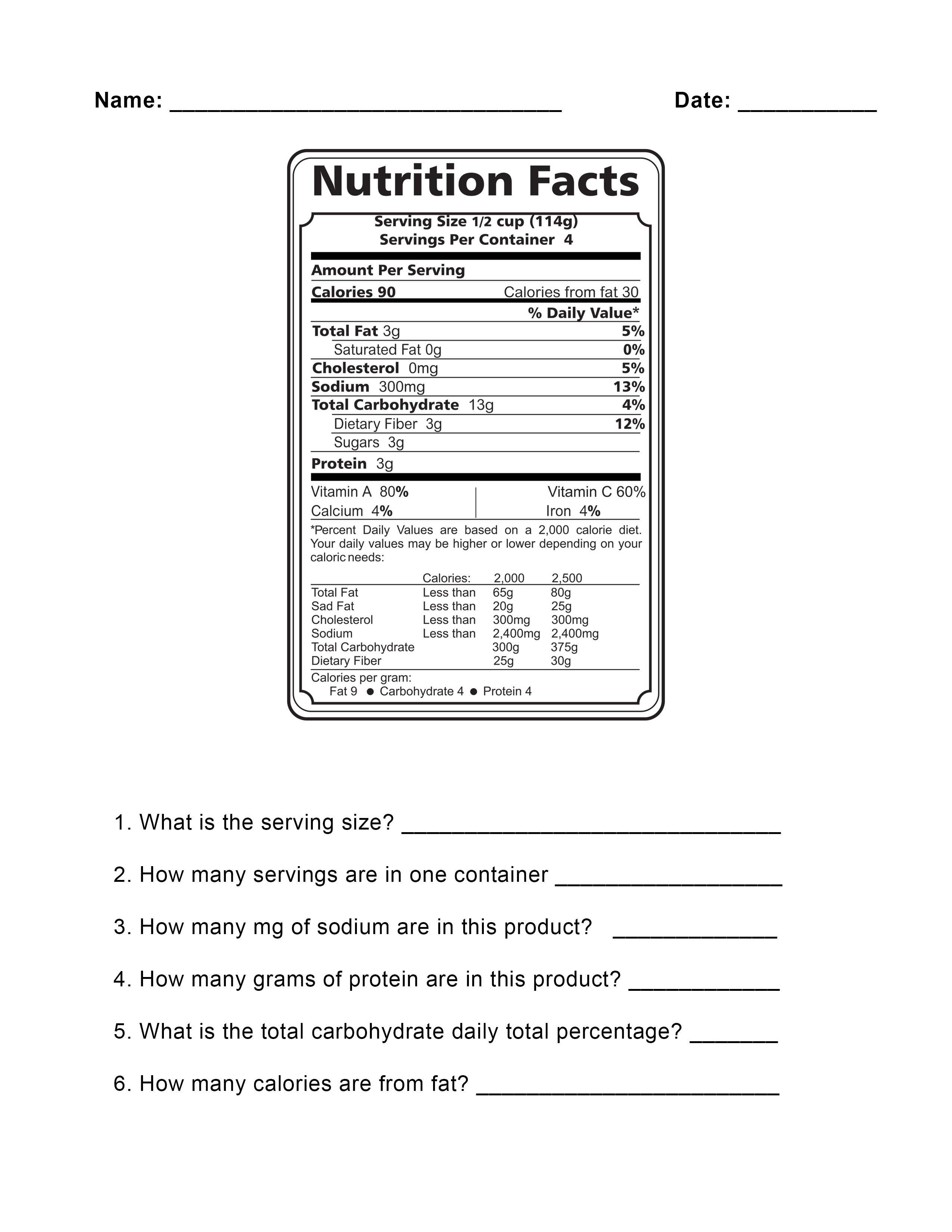
Food label Worksheets
Understanding Food Nutrition Labels | American Stroke Association Remember that the information shown in the label is based on a diet of 2,000 calories a day. You may need less or more than 2,000 calories depending upon your age, gender, activity level, and whether you're trying to lose, gain or maintain your weight. When the Nutrition Facts label says a food contains "0 g" of trans fat, but includes ...

Reading Food Labels
Food labels - NHS Nutrition labels are often displayed as a panel or grid on the back or side of packaging. This type of label includes information on energy (kJ/kcal), fat, saturates (saturated fat), carbohydrate, sugars, protein and salt. It may also provide additional information on certain nutrients, such as fibre.
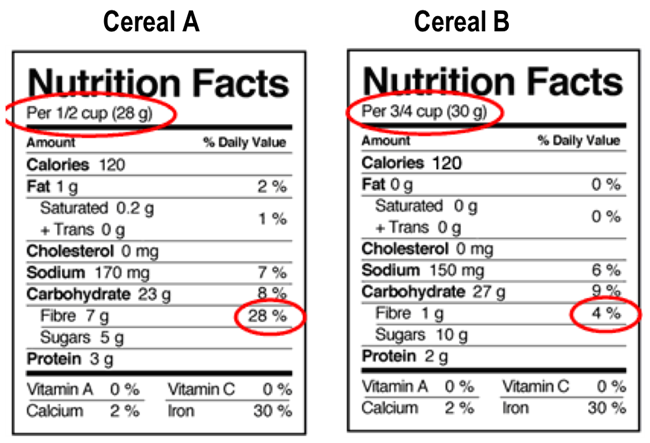
Understanding Food Labels in Canada - Unlock Food
20 Tips for Understanding Nutrition Labels | Eat This Not That Macronutrients include fat, carbs (which also breaks down into fiber and sugar), and protein. If anything stands out to you—like the product having 17 grams of fat or 25 grams of sugar—use those numbers to help you skim the ingredient list. For example, a cereal that has 6 grams of fat in it is odd.

33 What Is Total Fat On Nutrition Label - Label Design Ideas 2020

Low Fat 'Diet' Products Might Actually Making You Fat, Here's Why | Nature World News

8 Proven Ways To Lose Belly Fat (with Scientific Studies)

How to read food labels
Post a Comment for "45 understanding fat on nutrition labels"